


VIDEO ANALYSIS: POSITION THE RECs AS AFRICAN UNION PILLARS
 Africa's Regional Economic Communities (RECs) include eight sub regional bodies which are the building blocks of the African Economic Community established in the 1991 Abuja Treaty which provides the overarching framework for continental economic integration.
The Arab Maghreb Union (AMU/UMA) in the north; The Economic Community of West African States (ECOWAS) in the west; The East African Community (EAC) in the east; The Intergovernmental Authority on Development (IGAD) also in the east; The Southern African Development Community (SADC) in the south; The Common Market for Eastern and Southern Africa (COMESA) in the southeast; The Economic Community of Central African States (ECCAS) in the centre, and The Community of Sahel-Saharan States (CENSAD) in the north.
RECs: Building Blocks for the African Union
As the building blocks and implementing arms of the African Union (AU), the RECs have been central to various transformative programs of the continent, including the New Partnership for Africa’s Development (NEPAD) adopted in 2001, and the AU’s Agenda 2063 adopted by its Summit in January 2015, and its First Ten-Year Implementation Plan adopted by the 25th Summit of the AU in June 2015.
OSAA’s Engagement with the RECs
The Office of the Special Adviser on Africa (OSAA) maintains a multifaceted engagement with Africa’s RECs as major partners in the implementation of its mandate. This engagement is conducted both in the field and at UN Headquarters in New York.
Annual Briefings
Initiated in 2010 the Annual RECs’ briefing in New York during Africa Week is a platform for direct engagement and interactions between the RECs and the international community, particularly the UN System. This followed the recognition of the fact that though increasingly integral to the work of both the UN and the AU in the areas of peace, security, socio-economic development and regional integration, the RECs did not have a regular platform to showcase their work at the UN Headquarters. The latter was also not always fully privy to the enormous and crucial contributions the RECs make to the shared goal of the maintenance of international peace and security, and the achievement of international cooperation in solving global economic, social, cultural and humanitarian problems.
Scope
During these briefings, the RECs and UN bodies discuss the roles, and ways in which the contributions of Africa’sRECs in consolidating peace, security and socio-economic development in Africa can be enhanced. The RECsdiscuss also:
Recent developments and achievements in their respective regions and ways of strengthening their role in the formulation, implementation and monitoring of AU programmes such as Agenda 2063 and its NEPAD programme.
Impact of the engagement with the RECs
The findings and recommendations from RECs briefing and coordination meetings are shared:
With the UN Interdepartmental Task Force on African Affairs, to ensure coherence and an integrated approach for United Nations system support to the RECs in the implementation of Africa’s transformative Agendas, and with the African Union for consideration in various policy and programmatic processes.
The Annual Briefings with the RECs:
Foster direct dialogue and interaction between the RECs and the international community, particularly potential partners, on areas where there has been progress, as well as existing gaps and priorities that require greater input and support, including through enhanced partnerships; Raise global awareness on the work of RECs, including their achievements and challenges in the area of peace, security, humanitarian assistance, adherence to human rights and socio-economic development, while also fostering peer learning among the RECs and create opportunities for the RECs to build and
EAST AFRICA COMMUNITY
The East African Community (EAC) is a regional intergovernmental organisation of 6 Partner States: the Republics of Burundi, Kenya, Rwanda, South Sudan, the United Republic of Tanzania, and the Republic of Uganda, with its headquarters in Arusha, Tanzania.
The EAC is home to 158 million citizens, of which 22% is urban population. With a land area of 2.42 million square kilometres and a combined Gross Domestic Product of US$ 169.5 billion (EAC Statistics for 2015), its realisation bears great strategic and geopolitical significance and prospects for the renewed and reinvigorated EAC.
Current status
The process towards an East African Federation is being fast tracked, underscoring the serious determination of the East African leadership and citizens to construct a powerful and sustainable East African economic and political bloc.

The Arab Maghreb Union (AMU/UMA) in the north; The Economic Community of West African States (ECOWAS) in the west; The East African Community (EAC) in the east; The Intergovernmental Authority on Development (IGAD) also in the east; The Southern African Development Community (SADC) in the south; The Common Market for Eastern and Southern Africa (COMESA) in the southeast; The Economic Community of Central African States (ECCAS) in the centre, and The Community of Sahel-Saharan States (CENSAD) in the north.
RECs: Building Blocks for the African Union
As the building blocks and implementing arms of the African Union (AU), the RECs have been central to various transformative programs of the continent, including the New Partnership for Africa’s Development (NEPAD) adopted in 2001, and the AU’s Agenda 2063 adopted by its Summit in January 2015, and its First Ten-Year Implementation Plan adopted by the 25th Summit of the AU in June 2015.
OSAA’s Engagement with the RECs
The Office of the Special Adviser on Africa (OSAA) maintains a multifaceted engagement with Africa’s RECs as major partners in the implementation of its mandate. This engagement is conducted both in the field and at UN Headquarters in New York.
Annual Briefings
Initiated in 2010 the Annual RECs’ briefing in New York during Africa Week is a platform for direct engagement and interactions between the RECs and the international community, particularly the UN System. This followed the recognition of the fact that though increasingly integral to the work of both the UN and the AU in the areas of peace, security, socio-economic development and regional integration, the RECs did not have a regular platform to showcase their work at the UN Headquarters. The latter was also not always fully privy to the enormous and crucial contributions the RECs make to the shared goal of the maintenance of international peace and security, and the achievement of international cooperation in solving global economic, social, cultural and humanitarian problems.
Scope
During these briefings, the RECs and UN bodies discuss the roles, and ways in which the contributions of Africa’sRECs in consolidating peace, security and socio-economic development in Africa can be enhanced. The RECsdiscuss also:
Recent developments and achievements in their respective regions and ways of strengthening their role in the formulation, implementation and monitoring of AU programmes such as Agenda 2063 and its NEPAD programme.
Impact of the engagement with the RECs
The findings and recommendations from RECs briefing and coordination meetings are shared:
With the UN Interdepartmental Task Force on African Affairs, to ensure coherence and an integrated approach for United Nations system support to the RECs in the implementation of Africa’s transformative Agendas, and with the African Union for consideration in various policy and programmatic processes.
The Annual Briefings with the RECs:
Foster direct dialogue and interaction between the RECs and the international community, particularly potential partners, on areas where there has been progress, as well as existing gaps and priorities that require greater input and support, including through enhanced partnerships; Raise global awareness on the work of RECs, including their achievements and challenges in the area of peace, security, humanitarian assistance, adherence to human rights and socio-economic development, while also fostering peer learning among the RECs and create opportunities for the RECs to build and
EAST AFRICA COMMUNITY
The East African Community (EAC) is a regional intergovernmental organisation of 6 Partner States: the Republics of Burundi, Kenya, Rwanda, South Sudan, the United Republic of Tanzania, and the Republic of Uganda, with its headquarters in Arusha, Tanzania.
The EAC is home to 158 million citizens, of which 22% is urban population. With a land area of 2.42 million square kilometres and a combined Gross Domestic Product of US$ 169.5 billion (EAC Statistics for 2015), its realisation bears great strategic and geopolitical significance and prospects for the renewed and reinvigorated EAC.
Current status
The process towards an East African Federation is being fast tracked, underscoring the serious determination of the East African leadership and citizens to construct a powerful and sustainable East African economic and political bloc.
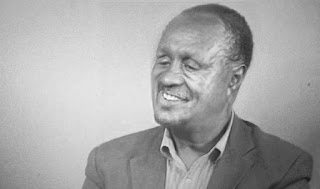 Author Prof. Dr. Rugema D. Muyombano


0Awesome Comments!